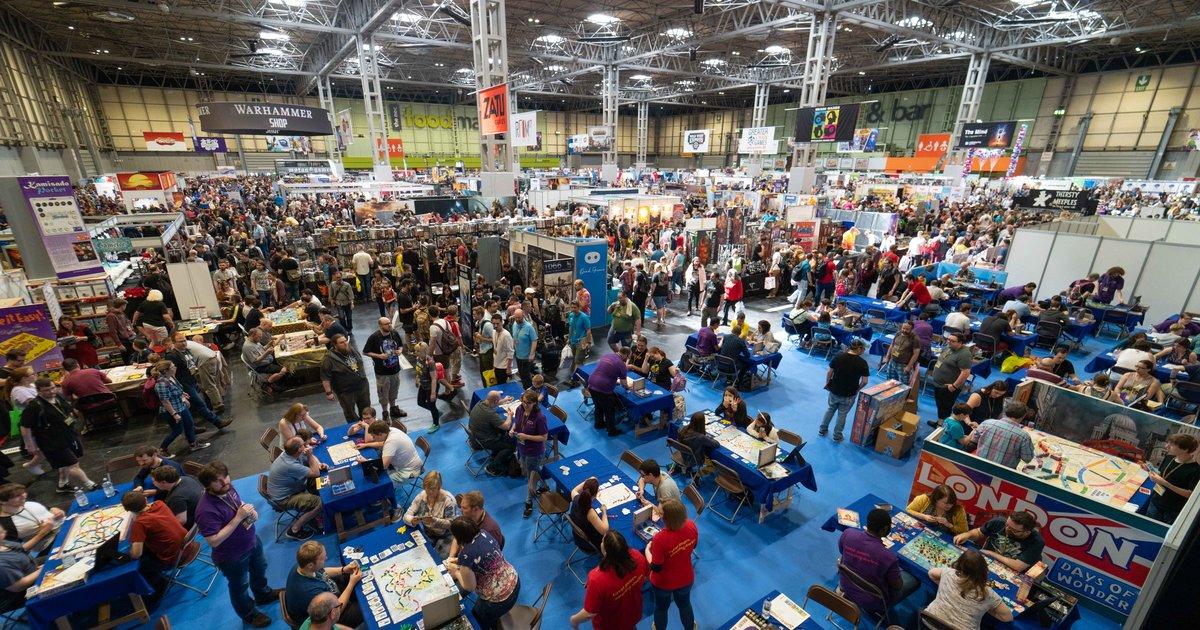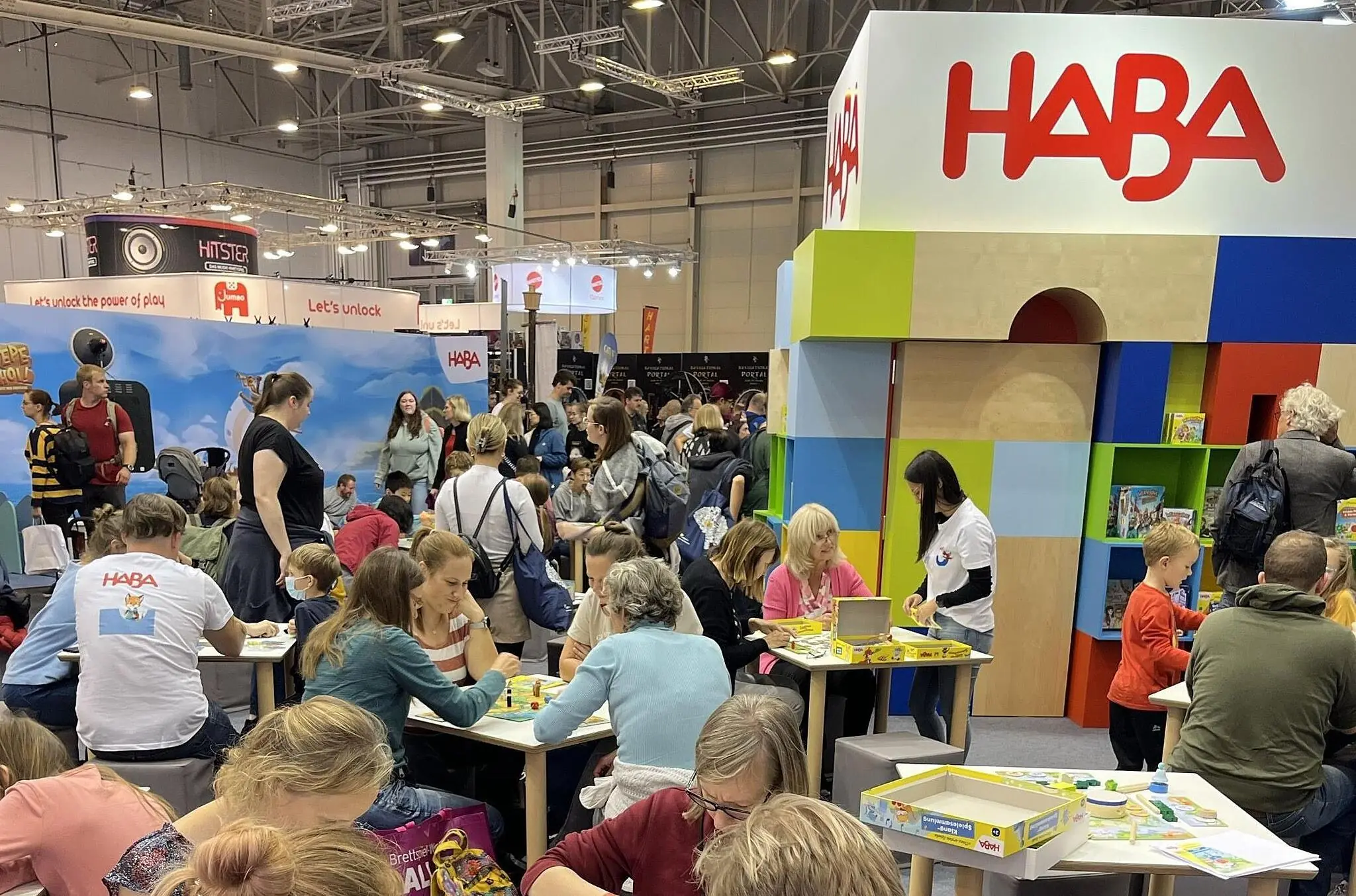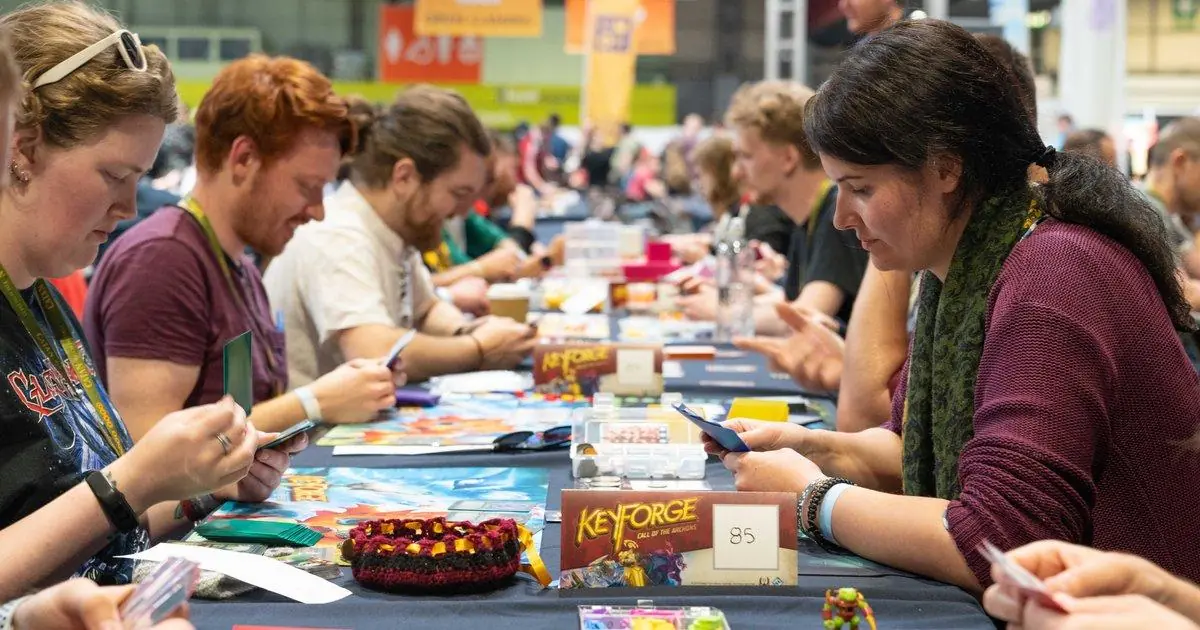
Organizing a board game tournament is a great way to bring players together, promote a game and create an engaging competitive experience.
However, running a successful tournament involves more than inviting players. You need to choose a competition format, establish rules, manage registrations, generate pairings and maintain accurate standings.
This guide explains how to organize a board game tournament, compares the most common competition systems and explores tools that can simplify tournament management.
It's designed for board game stores, gaming clubs, associations, publishers and event organizers.
1. Choose the game and establish the rules
Start by deciding which game will be played and how the competition will work.
Different games require different tournament structures.
Two-player games, multiplayer strategy titles and games involving significant randomness may need different scoring systems and rules.
Before announcing your event, define:
- The game and edition.
- Number of players per game.
- Maximum number of participants.
- Expected round duration.
- Eligibility requirements.
- Official rules and allowed variations.
- Equipment supplied by the organizer.
- How disputes will be resolved.
Whenever possible, publish the rules before opening registration.
2. Choose the right tournament format
Your tournament structure affects the number of games, the experience of participants and the time required.
Single elimination
Players are eliminated after losing a match, while winners advance to the next round.
This format is easy to understand and relatively quick to run.
For example, a sixteen-player individual tournament requires four rounds and fifteen matches to determine a champion, excluding any additional placement matches.
The main disadvantage is that a single defeat ends a player's tournament.
Double elimination
Double elimination allows players to remain in the competition after their first loss.
It typically uses a winners' bracket and a losers' bracket.
This gives players another opportunity but requires more matches and more complex scheduling.
Round robin
In a round-robin tournament, each participant plays against every other participant in their group.
This format provides several games per player and allows standings to reflect results across multiple matches.
However, it can require significant time.
An eight-player individual round robin involves 28 matches in total.
Swiss system
The Swiss system allows everyone to continue playing for a predetermined number of rounds.
Players are generally paired against opponents with similar results as the tournament progresses.
It's a popular choice when a full round robin would require too many games.
For example, sixteen players could take part in a four-round Swiss tournament. However, four rounds do not necessarily guarantee an undisputed winner.
Group stage followed by knockout rounds
This structure combines two competition phases.
Players are first divided into round-robin groups. The strongest performers then advance to a knockout bracket.
It's a useful format for events where organizers want everyone to play several games before the final stages.
Tournament format comparison
| FormatMain advantageMain limitation | ||
| Single elimination | Fast and simple | One loss eliminates a player |
| Double elimination | Second chance | More matches and scheduling |
| Round robin | Everyone plays everyone | Time-consuming |
| Swiss system | Scalable without eliminations | Pairings and tiebreaks can be complex |
| Groups and knockout | Multiple games plus finals | Requires two phases |
Consider whether your game is designed for two players or larger groups, as this affects pairing and scoring procedures.
3. Plan registration and capacity
Once you've chosen a format, calculate how many participants your venue can accommodate.
Consider available tables, match duration, setup time and the number of staff members responsible for recording results.
Decide whether entry will be free or paid and whether any eligibility restrictions apply.
Waiting lists can help manage interest when your tournament reaches capacity.
If the tournament takes place during a larger convention, coordinate its schedule with other activities.
4. Define scoring and tiebreak rules
Participants should know exactly how results will be calculated before the first round.
A common individual scoring system awards three points for a win, one for a draw and zero for a loss.
However, not every board game is suited to this method. Some games use in-game scores or other ranking criteria.
How should ties be resolved?
Possible tiebreakers include:
- Total points scored.
- Head-to-head results.
- Score differential.
- Opponents' strength.
- Buchholz in Swiss tournaments.
- Additional tiebreak matches.
The Buchholz method considers opponents' results when separating players with equal scores.
Whatever rules you choose, publish them before the tournament starts.
5. Generate pairings and rounds
After confirming participants, the next step is preparing matchups.
Single elimination uses a bracket. Round robin uses a full schedule of opponents. Swiss tournaments generate new pairings based on previous results.
You may also need to track previous opponents, byes, withdrawals and forfeits.
Managing these tasks manually becomes more difficult as the tournament grows.
Board game tournament management software
Meeplay includes tournament tools for creating competitions, configuring formats, managing players, recording results and following standings.
Its documented formats include elimination, round robin, Swiss and group stages followed by knockout rounds.
Tournament features must be enabled for the organizer's account.
Step-by-step instructions are available here:
6. Record results and communicate standings
During the event, every participant should know where and when to play and how results will be submitted.
Use a consistent procedure to validate match results before starting the next round.
Keep standings accessible and explain the applicable tiebreak rules.
For in-person events, assign someone to resolve disputes and ensure the competition follows the published rules.
Specialized tournament software can reduce manual administration and keep pairings, match results and rankings organized.
7. Manage the finals and tournament closing
If your competition includes knockout finals, reserve enough time for them.
Prepare the gaming area, equipment and prizes in advance.
Check how ties or interrupted matches will be handled before the final round begins.
At the end, publish the final standings and thank participants for joining.
Results can also help build recurring tournaments or larger competitive circuits.
Example: A 16-player Swiss tournament
Imagine a board game store organizing a two-player competition.
| ItemExample configuration | |
| Participants | 16 |
| Tables | 8 |
| Format | Swiss system |
| Rounds | 4 |
| Matches per round | 8 |
| Total matches | 32 |
| Scoring | 3 win, 1 draw, 0 loss |
| Tiebreak | Published before the event |
If matches take 45 minutes and organizers allow 15 minutes between rounds for recording results and preparing pairings, the event would require approximately four hours.
Additional breaks, delays or finals would increase the schedule.
Common tournament management mistakes
Frequent problems include unclear rules, unrealistic schedules, insufficient capacity planning and changing scoring criteria after the tournament has started.
Another mistake is choosing a format that is too complicated for the number of participants or available time.
A smaller tournament with clear rules, accurate results and reliable scheduling can provide a better player experience than a larger competition affected by constant delays.
Frequently asked questions
What is the best format for a board game tournament?
It depends on the number of players, available time and the game itself. Single elimination is fast, Swiss allows several rounds without eliminating players, and group stages followed by knockout rounds combine participation with competitive finals.
How many Swiss rounds are needed?
There is no universal number. It depends on the number of participants, the ranking objectives, tournament rules and available time.
What is the Buchholz tiebreak system?
Buchholz is a tiebreak method used in some Swiss tournaments. It considers the results achieved by a player's opponents.
Can I organize a tournament without spreadsheets?
Yes. Specialized tournament management tools can help organize registrations, pairings, match results and standings within one platform.
Organize tournaments with Meeplay
Meeplay offers board game tournament tools for stores, publishers, associations and event organizers.
You can configure tournament formats, manage participants, record match results and follow standings.
Tournaments can also be connected with larger events and community activities.