Creating a great board game is only part of the challenge. To reach players, a game also needs visibility, a clear message and a marketing strategy designed around its audience.
Board game marketing has distinctive characteristics. Product demonstrations matter, recommendations within gaming communities influence discovery, and stores, clubs and events can become valuable partners.
This guide explains how to market and promote a board game, whether you're launching your first title or working with an established publishing catalogue.
1. Identify your target audience
Start by understanding who your game is designed for.
A fifteen-minute family game needs a different marketing approach from a complex strategy game, a party game or a miniature-based title.
Consider age range, player count, playing time, complexity, theme, price, target countries and available languages.
Focus on the people most likely to enjoy the game rather than trying to reach everyone.
Define your core message
Explain in one clear sentence what makes your game appealing.
Instead of relying on generic claims, describe the experience it offers: cooperation, tension, storytelling, clever decisions, humor or social interaction.
Keep this message consistent across your website, game listings, advertisements and demonstrations.
2. Prepare before launch
Marketing should begin before the release date.
Prepare essential assets such as product images, game descriptions, gameplay photographs, a short explanatory video, rules, press materials, pricing, target markets and purchase links.
These materials help retailers, reviewers and potential buyers understand the product.
Announce releases on specialized platforms
In addition to your own website, use channels where players actively discover board games.
Meeplay allows publishers to announce upcoming releases with launch dates, countries, prices and product information. Interested players can discover these upcoming titles through the platform.
See Meeplay's publisher release guides.
3. Work with relevant content creators
Reviews, tutorials and recorded gameplay can introduce a title to new audiences.
However, audience relevance is often more useful than audience size alone.
A creator specializing in family games may be a better partner for a children's title than a larger channel dedicated to complex wargames.
Before reaching out, review the creator's usual content, audience, language, country, formats and collaboration terms.
Commercial relationships and promotional materials should be disclosed transparently under the applicable rules, while creators should retain their editorial independence.
4. Organize demonstrations at stores and events
Board games have an important marketing advantage: people can experience them before making a purchase.
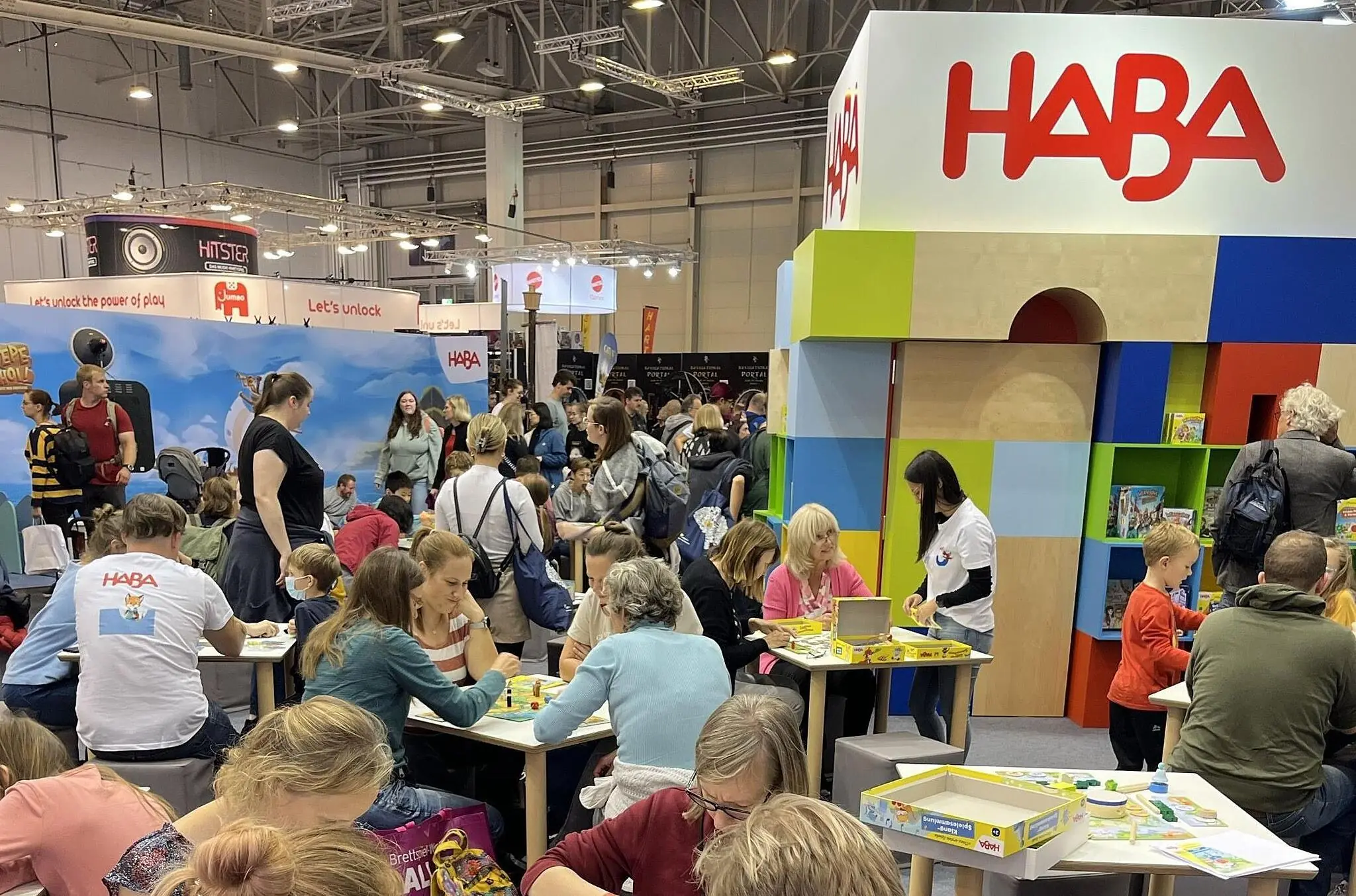
In-store demonstrations, gaming clubs and conventions give players the chance to learn the rules, try the mechanics and ask questions.
For better results:
- Choose stores and events that reach your audience.
- Prepare a concise explanation and a playable demonstration.
- Schedule sessions with manageable capacity.
- Provide a QR code or link to the game.
- Collect feedback and track interest.
Meeplay can help publishers connect game-related activities with events and communities.
Explore Meeplay for publishers.
5. Combine social media with specialized channels
Social media is useful for videos, announcements, conversations and brand awareness. However, no single channel should carry your entire marketing strategy.
| ChannelPrimary use | |
| Instagram and TikTok | Short-form visual content |
| YouTube | Tutorials, reviews and gameplay |
| Publisher website | Official information, SEO and sales |
| Newsletter | Ongoing communication |
| Stores and clubs | Hands-on demonstrations |
| Board game conventions | Discovery and networking |
| Specialized gaming platforms | Reaching interested tabletop audiences |
The goal is not to replace one channel with another, but to combine them according to your campaign objectives.
6. Use targeted advertising
Paid campaigns can increase awareness, but first decide what you're trying to achieve.
Are you seeking product page visits, video views, demonstration sign-ups, purchase interest or sales?
Also consider geography. Marketing a game in Spain may require different assets and messaging from a campaign in Mexico, Brazil or the United States.
Promoting board games with Meeplay
Meeplay offers promotional placements and advertising campaigns designed for the board game community.
Available options include promoting catalogue games, creating personalized banners and connecting digital visibility with community activities.
Campaign settings may include placements, duration and geographical targeting, depending on the format.
Explore advertising options on Meeplay.
Read the step-by-step publisher guides.
7. Turn marketing into participation
A campaign doesn't have to be limited to advertisements.
Consider activities that encourage players to discover and enjoy the game:
- Gaming challenges.
- Demonstrations across multiple stores.
- Promotional tournaments.
- Giveaways connected to events.
- Designer meetups.
- Community play sessions.
- Regional or national competitions.
These initiatives give people a reason to interact with the game beyond seeing its cover.
Meeplay supports several forms of community activation, including tournaments, challenges, awards, giveaways and organized activities.
8. Track the results
Different objectives require different metrics.
| MetricWhat it helps measure | |
| Reach and impressions | Campaign visibility |
| Game page visits | Initial interest |
| Retailer clicks | Shopping interest |
| Demo registrations | Willingness to try |
| Logged plays | Gameplay activity |
| Ratings and reviews | Player response |
| Attributed sales | Commercial outcome, when measurable |
Compare results with your original goals and avoid treating every increase in sales as direct proof of campaign impact.
Meeplay provides audience analytics for publishers and stores, including activity around games, profiles, posts and advertising.
Learn about the publisher audience dashboard.
Example: A 30-day launch plan
| PeriodRecommended activity | |
| Days 1–7 | Prepare product assets and information |
| Days 8–14 | Announce the game and contact retailers and media |
| Days 15–21 | Organize demonstrations and targeted promotions |
| Days 22–27 | Run community activities and launch events |
| Days 28–30 | Review results and plan ongoing promotion |
More ambitious releases, crowdfunding projects and international campaigns will usually require a longer timeline.
Common board game marketing mistakes
Avoid trying to sell before communicating the experience your game offers.
Other common problems include unclear audience targeting, isolated campaigns without follow-up and exaggerated promotional claims.
Finally, don't abandon your community once the launch is over.
Demonstrations, tournaments, expansions, reviews and local events can keep a game relevant long after its initial release.
Frequently asked questions
How can I promote a board game on a small budget?
Start with strong product information, targeted communities, store demonstrations and useful content. Measure the results before increasing spending.
When should I start promoting a board game?
Ideally, before launch, allowing time to prepare materials, reach interested audiences and coordinate demonstrations.
Should I advertise on social media or specialized board game platforms?
They serve different purposes. Social media can provide broader exposure, while specialized platforms help reach people already interested in tabletop gaming.
How can I measure a board game launch campaign?
Use clearly defined objectives and track visits, engagement, demonstration sign-ups, logged plays and attributed sales where reliable data is available.
Promote your games with Meeplay
Meeplay connects board game publishers with a community that discovers titles, logs plays, attends events and shares its passion for gaming.
From launch announcements to specialized advertising and community activities, Meeplay offers different ways to help games reach interested players.
Discover Meeplay for publishers