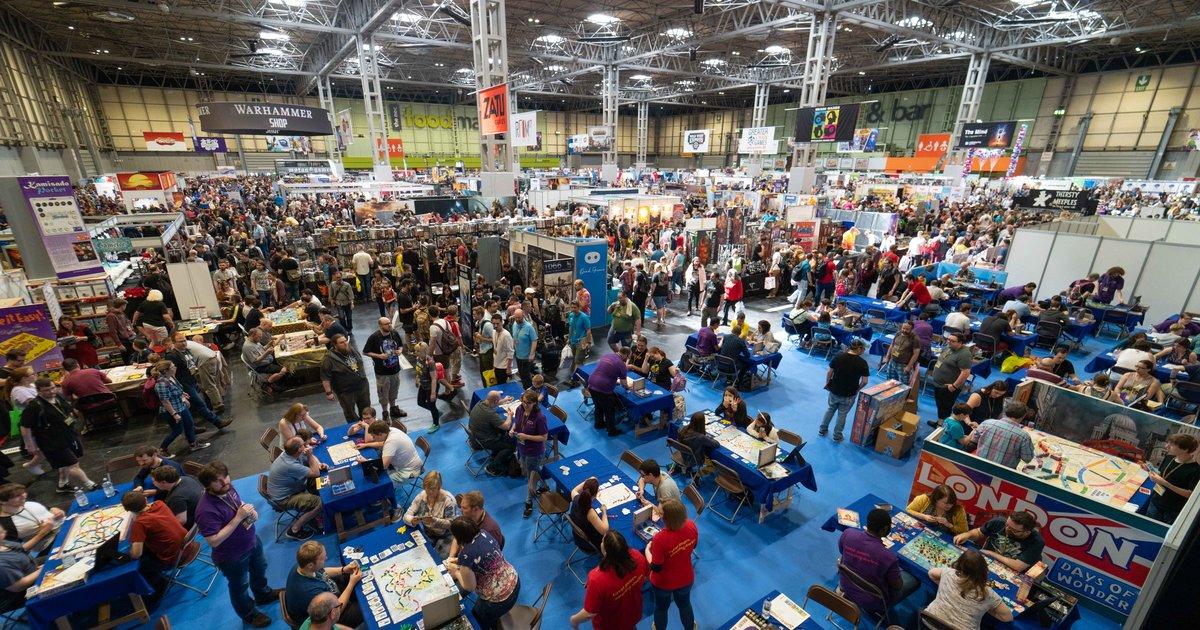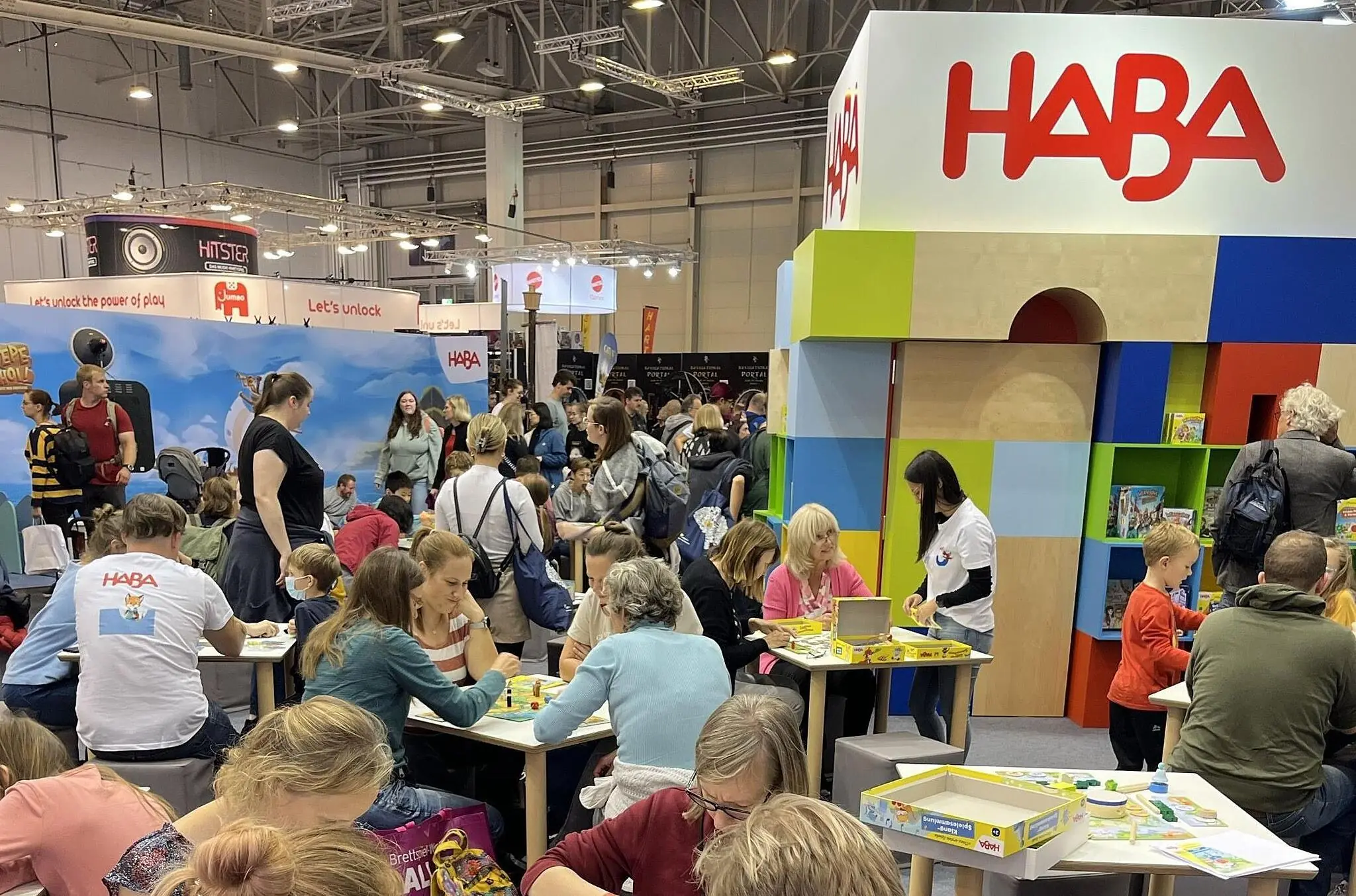
Organizing a board game event can mean bringing twenty people together for an afternoon of gaming or coordinating a multi-day convention with publishers, tournaments, game libraries and dozens of activities.
Whatever the scale, successful events require more than tables and games. You need a suitable venue, a realistic budget, clear registration procedures, a well-designed program and an enjoyable experience for attendees.
This guide explains how to organize a board game event step by step, from initial planning to reviewing your results, and how specialized digital tools can help clubs, stores, associations and festival organizers.
1. Define your event format and goals
Start by deciding what kind of experience you want to offer.
| Event formatMain requirements | |
| Open gaming day | Shared tables, game library and casual sessions |
| Tournament | Registration, rules, pairings and standings |
| Board game festival | Multiple activities, publishers and demonstrations |
| Store event | Product demos, game launches and customer engagement |
| Club gathering | Members, guests and community activities |
| Convention | Multiple zones, scheduled events and larger audiences |
Identify your audience: families, experienced gamers, beginners, industry professionals or a mix.
Set measurable objectives, such as reaching 100 attendees, running ten scheduled activities or showcasing fifteen games.
2. Choose the date and venue
Estimate how many tables you'll need and how much space is required for gaming, circulation, registration and breaks.
Check accessibility, bathrooms, lighting, ventilation, transport connections, internet access, capacity limits and emergency arrangements.
Depending on your location and event format, you may also need permits, insurance or other authorizations.
Before choosing a date, check the worldwide board game events calendar to identify major conventions that could compete for your audience.
3. Create a realistic budget
Even small events can involve expenses.
Consider venue hire, furniture, games, materials, staff, promotion, technology and a contingency budget.
Separate fixed costs from expenses that change with attendance. Identify any potential revenue from tickets, paid activities, sponsorships, exhibitors or partnerships.
A simple budget should tell you how many participants you can accommodate and what level of funding is needed.
4. Set up registration and capacity management
Before opening registration, define who can participate, how many spaces are available and whether admission is free or paid.
You should also establish cancellation rules, waiting lists and any registration requirements.
For paid events, provide appropriate purchase terms and refund information.
Managing registrations with Meeplay
Meeplay allows organizers to create events called Meeplays, set participation limits and manage registrations.
For events with paid admission, organizers can configure ticket tiers, different prices and selling periods. In-app payments are available through Stripe, and external registration is also supported.
Detailed tutorials are available here:
5. Build an engaging activity schedule
A good board game event offers enough variety without overwhelming visitors.
Consider game demonstrations, open gaming, beginner sessions, tournaments, prototype testing, designer talks, family activities and raffles.
Each scheduled activity should include its name, description, starting time, location, capacity and any special requirements.
Avoid overlapping your most popular activities whenever possible.
With Meeplay, organizers can create event schedules with individual activity listings, available spaces, prices and relevant participation details.
Explore Meeplay's step-by-step event planning guides.
6. Prepare for the event day
Decide in advance who will manage reception, entry checks, game library loans, activities and attendee questions.
Clear signage makes a big difference, particularly at larger conventions.
Visitors should be able to find their tournaments, gaming areas, publishers and services without confusion.
Meeplay offers QR-based entry management and interactive venue maps for compatible events, helping attendees navigate the space and organizers manage participation.
7. Promote your event
Start promoting the event well before its opening date.
Use your organization's website, local gaming communities, board game stores, associations, specialized media and social networks.
Make sure every announcement clearly answers: what, where, when, who it's for and how to register.
Direct people to a single reliable event page containing updated information.
Meeplay can help board game organizers publish events and connect with a community interested in tabletop gaming.
Discover Meeplay for organizers.
8. Measure your results
After the event, review attendance, registrations, activity participation, cancellations, feedback and the financial outcome.
Useful indicators include:
| MetricWhat it tells you | |
| Registrations versus attendance | How many registered visitors attended |
| Activity occupancy | Which activities attracted interest |
| Waiting lists | Where capacity may have been insufficient |
| Tournament participation | Demand for competitive play |
| Attendee feedback | Experience and satisfaction |
| Revenue and expenses | Financial sustainability |
Use these findings to plan future editions.
Example: A board game day for 100 attendees
Imagine a local association planning a day with 100 participants and twenty gaming tables.
A possible schedule could be:
| TimeActivity | |
| 10:00 AM | Doors open |
| 10:30 AM | Open gaming begins |
| 11:00 AM | Beginner demonstrations |
| 12:00 PM | Tournament starts |
| 2:00 PM | Break in scheduled activities |
| 4:00 PM | Prototype workshop |
| 5:00 PM | Second demo session |
| 6:30 PM | Tournament finals and prizes |
| 7:30 PM | Activities end |
This is only an illustration. Your schedule should reflect the actual venue capacity, staffing and game duration.
Frequently asked questions
How much does it cost to organize a board game event?
It depends on venue costs, staffing, equipment, insurance and the number of activities. A small community event in a donated space may be inexpensive, while a large convention requires a much bigger budget.
Can board game events be free?
Yes. Many gaming clubs, stores and associations run free events, although they still need to manage attendance and comply with venue requirements.
What software can help organize a board game convention?
General event platforms can handle registrations and ticketing. Meeplay also offers tabletop-specific tools such as tournaments, activity schedules, game libraries, interactive maps and attendee communication.
How can I manage a festival with multiple activities?
Keep the schedule centralized, define activity capacity, assign responsibilities and provide visitors with updated event information.
Plan your next board game event with Meeplay
Whether you're organizing a community game night, an in-store tournament or a large festival, the right tools can simplify administration and improve the attendee experience.
Meeplay connects tabletop gaming organizers and communities through event registration, schedules, tournaments, game libraries and other event management features.